
Winter Newborn Care 10 Essential Tips for Parents
Introduction: Why Winter Newborn Care Needs Special Attention
Winter is a beautiful season, but for new parents, it also brings worry—especially when caring for a newborn. Newborns react more quickly to shifts in temperature because their bodies aren’t as efficient at regulating warmth as adults. Their immune systems are still developing, their skin is delicate, and they cannot regulate body temperature efficiently.
This is why Winter Newborn Care 10 Essential Tips for Parents is not just another parenting guide—it’s a practical roadmap designed to help you confidently protect your baby during cold weather. From dressing correctly to preventing infections, every step you take matters.
Pediatric experts and organizations like the American Academy of Pediatrics and the World Health Organization emphasize that proper winter care significantly reduces the risk of hypothermia, respiratory infections, and skin problems in newborns.
In this in-depth guide, Winter Newborn Care 10 Essential Tips for Parents is explained with real-world examples, expert advice, and clear do’s and don’ts—so you can make informed decisions without fear or confusion.
Understanding Newborn Sensitivity in Winter
Before diving into the tips, it’s important to understand why winter is challenging for newborns.
Why Newborns Feel Cold Faster
- Low body fat reduces insulation
- Immature temperature regulation system
- Thin, sensitive skin loses moisture quickly
Common Winter Risks for Newborns
- Hypothermia
- Dry skin and rashes
- Colds, flu, and respiratory infections
- Dehydration due to dry air
This foundation helps parents understand the importance of Winter Newborn Care 10 Essential Tips for Parents in daily life.
1. Dress Your Baby in Warm Layers
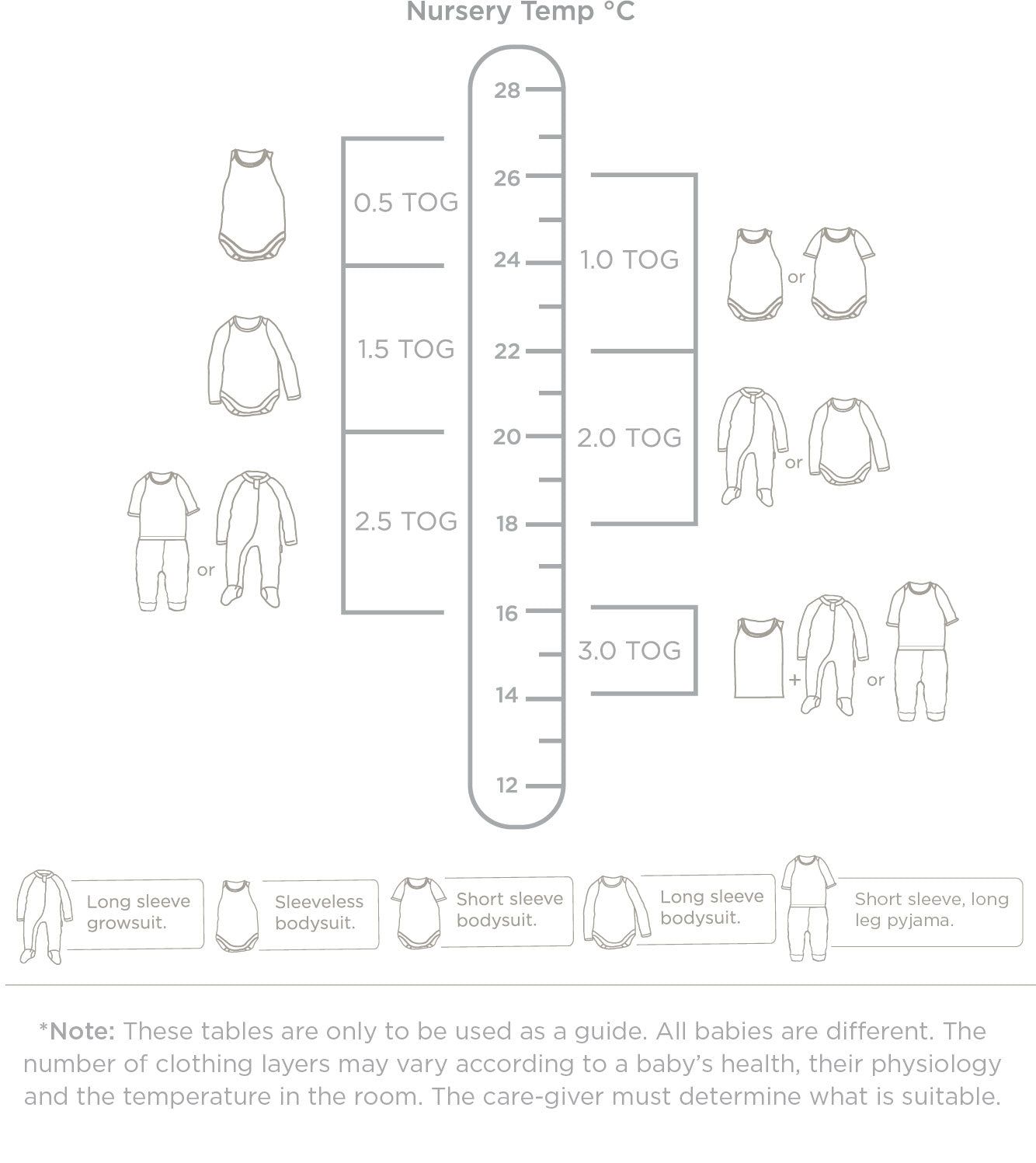
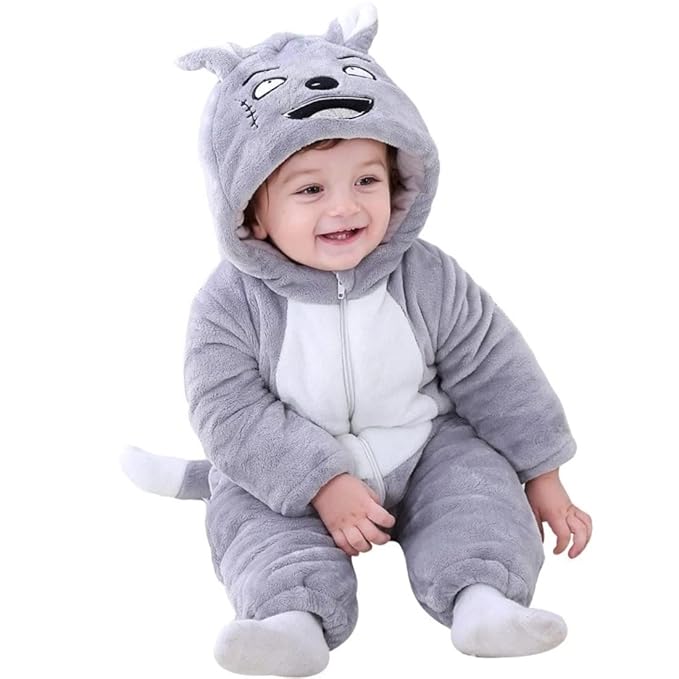
Layering is the cornerstone of Winter Newborn Care 10 Essential Tips for Parents.
The Layering Rule
- Cotton inner layers (breathable and soft)
- Wool or fleece outer layers for insulation
- Full-sleeve onesies
- Soft socks and booties
- Mittens to prevent heat loss
- A snug cap to protect the head
What to Avoid
- Tight clothing restricting circulation
- Synthetic fabrics touching skin directly
- Over-layering that causes sweating
Expert Tip: Touch your baby’s chest or back—not hands or feet—to check warmth.
Proper clothing is a daily practice that defines responsible Winter Newborn Care 10 Essential Tips for Parents.
2. Maintain a Comfortable Room Temperature
Maintaining the right indoor temperature is critical in Winter Newborn Care 10 Essential Tips for Parents.
Ideal Room Temperature
- 20°C to 22°C (68°F to 72°F)
How to Maintain It
- Use a room thermometer
- Close gaps around windows
- Use heaters safely (never direct heat)
- Avoid overheating
Heater Safety Guidelines
- Keep heaters at least 3 feet away
- Avoid hot air blowing directly on baby
- Never leave heaters unattended
Balanced room temperature prevents respiratory discomfort and supports healthy sleep—two pillars of Winter Newborn Care 10 Essential Tips for Parents.
3. Moisturize Your Baby’s Skin Regularly
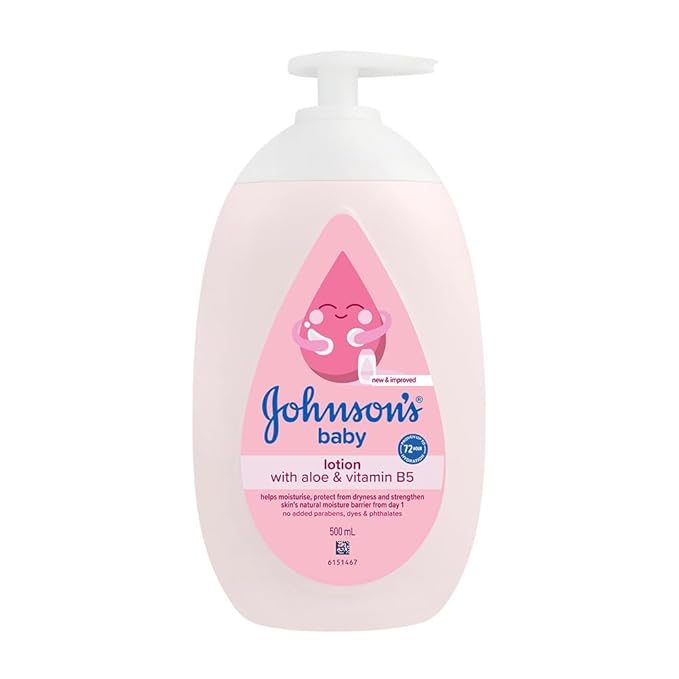
Winter air strips moisture from newborn skin rapidly.
Why Moisturizing Is Essential
- Prevents dryness and cracking
- Reduces eczema flare-ups
- Strengthens skin barrier
Best Moisturizers
- Fragrance-free baby lotions
- Natural oils like coconut or almond oil
- Cream-based products over lotions
How Often
- Twice daily
- Immediately after bath
Consistent skin care reflects thoughtful Winter Newborn Care 10 Essential Tips for Parents.
4. Limit Bath Time During Winter
Bathing habits need adjustment in winter.
Recommended Bath Frequency
- 2–3 times per week
Bathing Best Practices
- Use lukewarm water
- Keep baths under 5 minutes
- Pat dry gently
- Moisturize immediately
Avoid
- Daily baths
- Hot water
- Strong soaps
Limiting baths preserves natural oils—an often-overlooked part of Winter Newborn Care 10 Essential Tips for Parents.
5. Protect Your Baby From Cold and Infections
Winter increases exposure to viruses and bacteria.
Preventive Measures
- Limit visitors
- Ask visitors to wash hands
- Avoid crowded places
- Use clean blankets outdoors
Outdoor Protection
- Cover nose and ears
- Avoid windy conditions
- Keep outings short
Strong prevention habits define responsible Winter Newborn Care 10 Essential Tips for Parents.
6. Keep Your Baby Properly Hydrated
Cold weather can quietly cause dehydration.
Hydration Sources
- Breast milk or formula only
- No water for babies under 6 months
Signs of Dehydration
- Fewer wet diapers
- Dry lips
- Unusual fussiness
Hydration supports digestion, immunity, and skin health—key goals of Winter Newborn Care 10 Essential Tips for Parents.
7. Ensure Safe and Proper Sunlight Exposure


Sunlight is vital, even in winter.
Benefits
- Vitamin D production
- Bone development
- Improved immunity
Safe Exposure Tips
- Morning sun (before 10 AM)
- 10–15 minutes
- Avoid direct harsh sunlight
Sun exposure remains an underrated element of Winter Newborn Care 10 Essential Tips for Parents.
8. Pay Attention to Your Baby’s Sleep Comfort
Sleep quality often changes in winter.
Sleep Environment Tips
- Warm but breathable bedding
- No loose blankets
- Sleep sacks instead of quilts
Signs of Comfort
- Calm breathing
- No sweating
- Peaceful sleep posture
Good sleep strengthens immunity—supporting Winter Newborn Care 10 Essential Tips for Parents.
9. Massage Your Baby Regularly in Winter

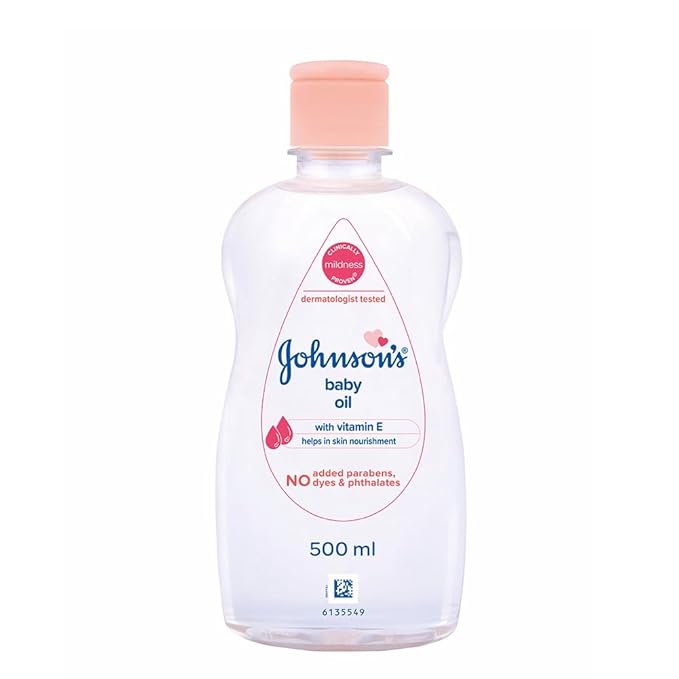
Massage is both nurturing and protective.
Benefits
- Improves circulation
- Keeps skin moisturized
- Promotes better sleep
Best Oils
- Coconut oil
- Almond oil (patch test first)
Massage Tips
- Warm room
- Gentle strokes
- Short sessions
Massage strengthens bonding and warmth—two emotional pillars of Winter Newborn Care 10 Essential Tips for Parents.
10. Watch for Signs of Discomfort or Illness
Early detection saves lives.
Warning Signs
- Persistent crying
- Cold hands with lethargy
- Fever or cough
- Refusal to feed
When to Call a Doctor
- Fever under 3 months
- Breathing difficulty
- Bluish lips or skin
Attentive observation completes Winter Newborn Care 10 Essential Tips for Parents.
Comparison Table: Winter Care Do’s vs Don’ts
| Aspect | Do | Don’t |
|---|---|---|
| Clothing | Layer smartly | Overdress |
| Bathing | Short, warm baths | Long hot baths |
| Heating | Maintain 20–22°C | Direct heaters |
| Skin Care | Moisturize daily | Use scented products |
| Sunlight | Gentle morning sun | Harsh midday sun |
Pros & Cons of Winter Newborn Care Practices
Pros
- Reduced illness risk
- Better sleep quality
- Healthy skin
- Strong immunity
Cons
- Requires daily attention
- Slightly higher care effort
- Constant monitoring
Key Features of Proper Winter Newborn Care
- Temperature regulation
- Skin protection
- Infection prevention
- Hydration support
- Comfort-focused routines
Ideal Use Cases
- First-time parents
- Babies under 3 months
- Cold or dry climates
- Premature infants (with medical guidance)
Limitations to Consider
- Climate differences affect routines
- Overprotection can cause overheating
- Always consult pediatricians for preterm babies
Conclusion: A Confident Winter With Your Newborn
Winter parenting doesn’t have to feel overwhelming. With the right information, thoughtful routines, and gentle awareness, you can transform cold months into a safe and comforting season for your baby.
By following Winter Newborn Care 10 Essential Tips for Parents, you create a protective environment that supports warmth, health, and emotional security. From proper layering to early illness detection, each step builds confidence—not fear.
Remember, your calm attention is the most powerful tool in Winter Newborn Care 10 Essential Tips for Parents.
FAQs: Winter Newborn Care – Parents’ Most Asked Questions
1. Can newborns go outside in winter?
Yes, for short periods with proper clothing and protection.
2. Is heater use safe for newborns?
Yes, if temperature is controlled and heaters are placed safely.
3. How do I know if my baby is too cold?
Cold chest, lethargy, or excessive crying are warning signs.
4. Should I oil my baby daily in winter?
Yes, gentle daily massage is beneficial.
5. How many layers are enough indoors?
One extra layer than adults is sufficient.
6. Can winter air cause baby dehydration?
Yes, dry air increases fluid loss.
7. Is sunlight necessary in winter?
Yes, safe sunlight supports Vitamin D.
8. Can winter worsen baby eczema?
Yes, moisturizing helps prevent flare-ups.
9. How often should I bathe my baby in winter?
2–3 times a week is ideal.
10. When should I see a doctor immediately?
If baby has fever, breathing issues, or refuses feeding.
| ApniVibe Official Website | Click Here |