
10 Best Self Care Rituals for Stress Relief
Introduction — Why Self Care Matters for Stress Relief
In today’s fast-moving world, stress has become an unavoidable part of modern life. Busy work schedules, digital distractions, financial responsibilities, emotional pressure, and constant decision-making responsibilities can slowly drain mental energy and create a feeling of overwhelm. When stress continues without proper care, it begins to affect sleep, focus, mood, relationships, productivity, and even long-term health and well-being.
This is where the 10 Best Self Care Rituals for Stress Relief become truly meaningful. Self care is not a luxury activity or something to be done only during free time — it is a mindful and responsible way of taking care of your emotional, mental, and physical health. By building healthy daily habits that calm the nervous system, improve emotional balance, and support relaxation, you create a stable foundation to handle life’s challenges with clarity and resilience.
Practicing the 10 Best Self Care Rituals for Stress Relief helps you slow down, reconnect with yourself, and give your mind the space it needs to recover from tension and fatigue. Small actions such as mindful breathing, balanced routines, gentle movement, gratitude reflection, and peaceful evening habits may seem simple, but they gradually strengthen emotional stability, inner calm, and mental strength.
In this guide, we explore the 10 Best Self Care Rituals for Stress Relief through practical, real-life strategies that you can integrate into your daily routine. Each ritual is designed to help you feel grounded, centered, and more in control of your thoughts and emotions — supporting a healthier, calmer, and more balanced lifestyle.
1. Practice Deep Breathing & Mindful Relaxation
How Breathing Calms Your Nervous System
One of the most powerful habits in the 10 Best Self Care Rituals for Stress Relief is mindful breathing. The way you breathe directly influences your emotional and physical state. During stress or anxiety, the body automatically shifts into fight-or-flight mode — breathing becomes shallow, the heart rate increases, muscles tighten, and the mind becomes restless.
Deep and mindful breathing activates the parasympathetic nervous system, which slows the heart rate, relaxes the body, reduces stress hormones, and sends a signal of safety to the brain. This simple yet effective practice helps:
-
reduce anxiety and emotional tension
-
improve focus and concentration
-
calm overwhelming thoughts
-
restore balance to the nervous system
-
create a grounded and peaceful mental state
Practicing this habit regularly strengthens emotional control and supports long-term calmness, making it one of the most practical routines within the 10 Best Self Care Rituals for Stress Relief.
Simple 4-7-8 Breathing Exercise
Follow this technique once or twice a day, especially during stressful moments:
-
Sit comfortably and relax your shoulders.
-
Inhale slowly through your nose for 4 seconds.
-
Hold your breath gently for 7 seconds.
-
Exhale slowly through your mouth for 8 seconds.
-
Repeat for 4–6 cycles.
With consistent practice, this breathing ritual helps regulate emotions, reduce physical tension, and support calm, clear thinking — an essential element of the 10 Best Self Care Rituals for Stress Relief.
2. Start Your Day With a Calm Morning Routine
Avoid Phone & Social Media First Thing
A calm, focused morning sets the tone for your entire day, which is why it plays an important role in the 10 Best Self Care Rituals for Stress Relief. Many people begin their day by instantly checking messages, emails, or social media. This floods the brain with information, comparison, and emotional triggers before the body is even fully awake.
Giving your mind quiet time at the start of the day helps stabilize your thoughts and emotions. Avoid screens for the first 20–30 minutes after waking to:
-
reduce mental noise and distractions
-
prevent emotional overstimulation
-
improve productivity and focus
-
create emotional stability early in the day
This single shift can dramatically improve inner calm and stress control.
Create a Peaceful Start to Your Day
A healthy morning routine may include simple grounding activities such as:
-
drinking water slowly and mindfully
-
stretching or light movement
-
gratitude or journal reflection
-
planning your key priorities
-
sitting quietly for a moment of stillness
Starting your morning with habits from the 10 Best Self Care Rituals for Stress Relief helps your mind stay centered, focused, and emotionally resilient throughout the entire day.
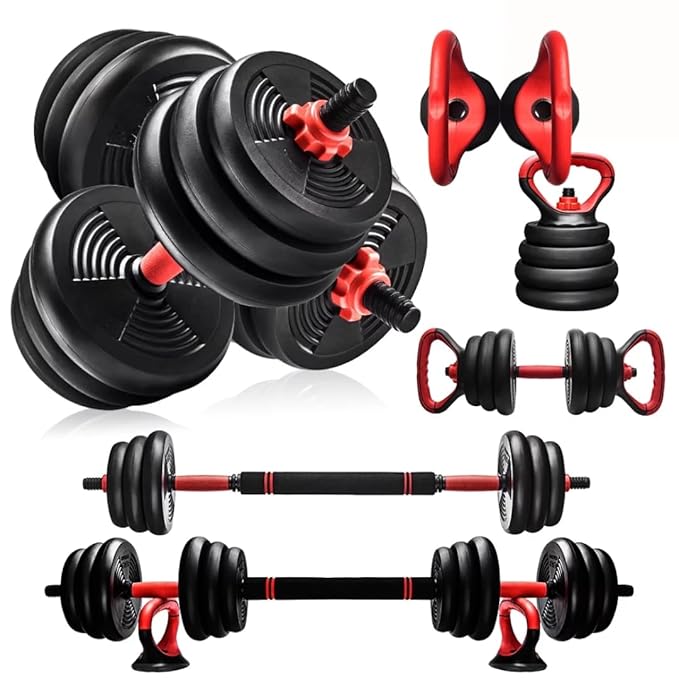
3. Make Time for Daily Movement or Light Exercise
How Physical Activity Reduces Stress Hormones
Movement is one of the most effective and science-supported habits in the 10 Best Self Care Rituals for Stress Relief. Even light physical activity helps lower cortisol (the stress hormone) while increasing endorphins, which boost mood, energy, confidence, and emotional positivity.
Regular movement supports:
-
emotional balance and mood control
-
better sleep quality
-
improved brain performance and focus
-
increased motivation and self-discipline
You don’t need intense workouts — gentle, consistent activity offers powerful stress-relief benefits.
Easy Exercises You Can Do at Home
Here are simple activities you can include in your daily routine:
-
brisk walking or outdoor walks
-
light stretching or yoga
-
low-intensity home workouts
-
mobility or flexibility exercises
-
dancing or rhythmic movement
Even 20 minutes a day can make a significant difference in emotional stability and mental clarity, making movement a key pillar of the 10 Best Self Care Rituals for Stress Relief.
4. Practice Gratitude & Positive Journaling
Benefits of Gratitude for Emotional Balance
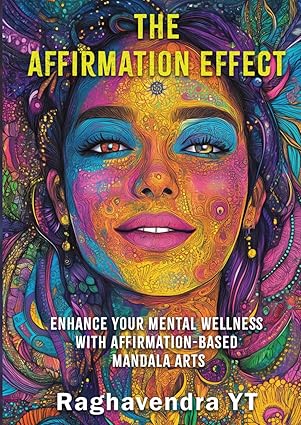
Gratitude journaling is one of the most meaningful practices within the 10 Best Self Care Rituals for Stress Relief because it gently trains the mind to shift away from worry, negativity, and self-doubt. When stress increases, the brain naturally focuses on problems, fears, and “what might go wrong.” Over time, this mindset increases tension and emotional fatigue.
Practicing gratitude helps you reframe your thoughts, notice small positive moments, and strengthen emotional resilience. It allows you to acknowledge progress rather than pressure, which supports greater peace and clarity.
Key benefits of gratitude journaling include:
-
reduced negativity and overthinking
-
improved self-awareness and reflection
-
stronger emotional control and calmness
-
higher levels of optimism and life satisfaction
This simple habit makes a powerful difference when applied consistently as part of the 10 Best Self Care Rituals for Stress Relief.
Simple Journaling Prompts for Stress Relief
Write at least three positive reflections each day, such as:
-
“Today, I am grateful for…”
-
“One positive thing that happened today is…”
-
“Something that made me feel calm or happy was…”
Over time, this ritual trains your brain to recognize positivity instead of stress, helping you build a more balanced and emotionally grounded mindset.
5. Take Digital Detox Breaks During the Day
Why Screen Overload Increases Anxiety
Digital detox is another essential habit within the 10 Best Self Care Rituals for Stress Relief. Constant exposure to notifications, news feeds, social media, and multitasking overstimulates the brain and keeps the nervous system in a state of alertness. This leads to mental exhaustion, comparison stress, sleep disruption, and emotional burnout.
Too much screen time also reduces real-world presence, productivity, and focus — silently increasing anxiety levels throughout the day.
Practical Ways to Reduce Screen Time
You don’t need to eliminate technology — simply create healthy digital boundaries, such as:
-
scheduling short no-phone breaks
-
turning off unnecessary notifications
-
avoiding doom-scrolling and late-night browsing
-
keeping phone-free meals or conversations
-
using app-time limits when required
Even small digital detox intervals help restore calmness, improve attention, and support mental clarity, making it a valuable part of the 10 Best Self Care Rituals for Stress Relief.
6. Create a Relaxing Evening Self Care Ritual
Slow-Down Habits Before Sleep
A peaceful evening routine prepares the mind and body to transition from activity to rest, which is why it holds a special place in the 10 Best Self Care Rituals for Stress Relief. Many people continue working, worrying, or scrolling through screens late at night, preventing the brain from relaxing.
A calm evening ritual signals the body that it is safe to slow down, release tension, and enter a restful state.
Helpful wind-down habits include:
-
dimming lights and reducing noise
-
reflecting calmly on the day
-
writing down unfinished thoughts to clear the mind
-
avoiding emotionally heavy conversations before bed
Activities That Relax the Mind
You may choose soothing activities such as:
-
reading
-
light stretching or gentle yoga
-
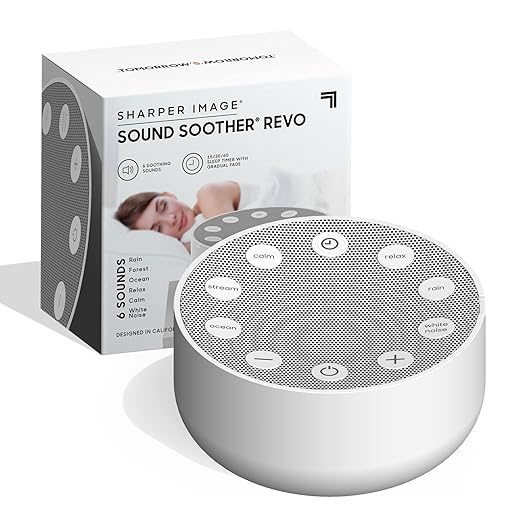
listening to calm music or nature sounds
-
taking a warm shower
-
practicing slow, mindful breathing
A consistent evening ritual promotes emotional stability, deeper sleep, and mental relaxation, reinforcing the benefits of the 10 Best Self Care Rituals for Stress Relief.
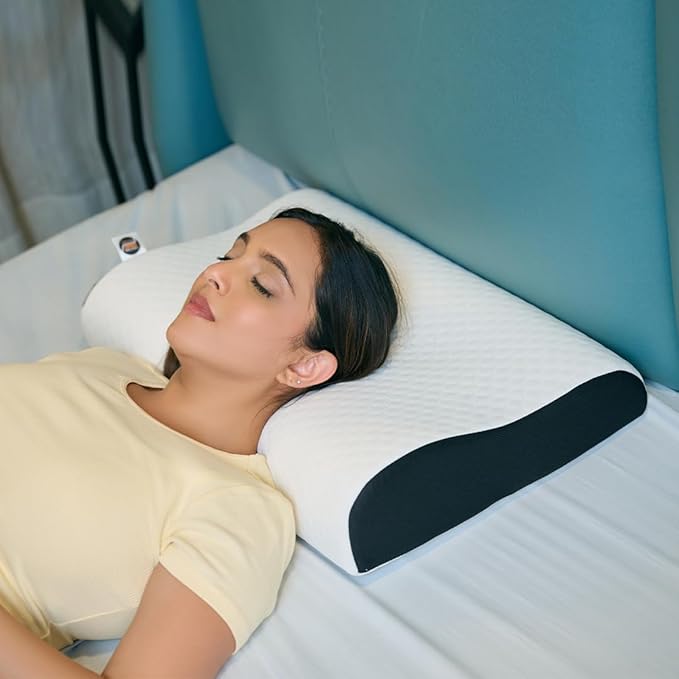
7. Improve Your Sleep Routine for Mental Calm
Connection Between Sleep and Stress Levels
Healthy sleep is one of the most powerful pillars of the 10 Best Self Care Rituals for Stress Relief. Poor or irregular sleep increases irritability, anxiety, emotional sensitivity, and loss of focus. During deep sleep, the brain processes emotions, restores energy, and resets stress responses.
Without proper rest, even small challenges feel overwhelming — which is why sleep care is essential for mental calm and emotional stability.
Sleep Hygiene Tips for Deeper Rest
To support better sleep:
-
maintain a consistent sleep and wake schedule
-
avoid screens at least 1 hour before bed
-
keep your bedroom dark, quiet, and clutter-free
-
avoid heavy meals and late caffeine intake
-
practice a light relaxation or breathing routine before sleeping
Strong sleep habits strengthen resilience and emotional balance, making them a core element of the 10 Best Self Care Rituals for Stress Relief.
8. Nourish Your Body With Stress-Friendly Foods
Foods That Support Mood and Calm
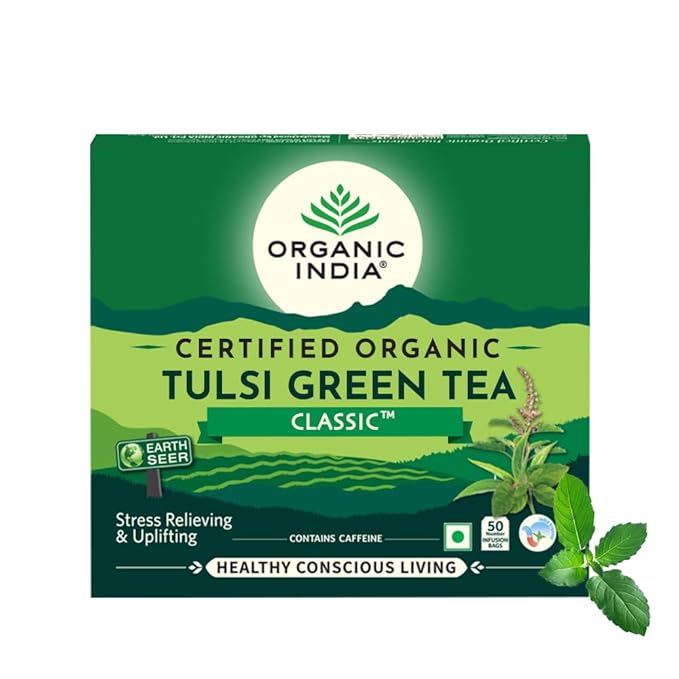
Nutrition plays a meaningful role in emotional wellness and is an important part of the 10 Best Self Care Rituals for Stress Relief. The mind and body are deeply connected — and what you eat influences mood stability, energy levels, concentration, and stress response.
Supportive stress-friendly foods include:
-
fruits and vegetables
-
whole-grain and fiber-rich meals
-
nuts, seeds, and omega-rich foods
-
herbal teas and warm, nourishing meals
These foods help stabilize blood sugar levels and support emotional balance.
Habits to Avoid During Stress
To protect your mental calm, reduce:
-
excessive caffeine and energy drinks
-
sugary snacks and junk food
-
irregular or skipped meals
Mindful nutrition supports mental clarity, stable energy, and emotional calmness, making it an essential pillar of the 10 Best Self Care Rituals for Stress Relief.
9. Practice Mindfulness, Meditation, or Prayer
How Mindfulness Helps Emotional Control
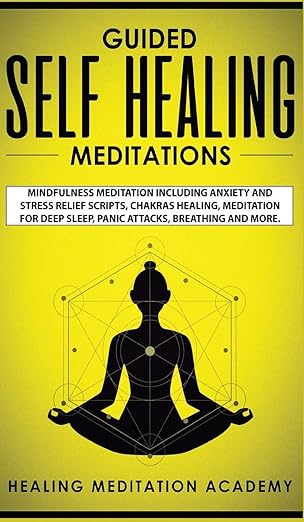
Mindfulness and meditation are powerful pillars of the 10 Best Self Care Rituals for Stress Relief because they help calm the racing mind and develop emotional balance. Mindfulness means being fully present in the current moment rather than getting lost in worry, past regrets, or future fears. When practiced regularly, it reduces emotional reactivity, improves clarity of thought, and strengthens self-awareness.
By observing thoughts instead of reacting to them, you begin to understand your emotions instead of being controlled by them. This inner awareness creates space for calm decision-making, gentle self-reflection, and greater emotional resilience — all key outcomes of the 10 Best Self Care Rituals for Stress Relief.
Beginner-Friendly Meditation Method
You don’t need advanced techniques to benefit from meditation. Start with this simple method:
-
Sit comfortably in a relaxed position.
-
Close your eyes gently and soften your shoulders.
-
Notice your breath as it comes and goes.
-
If thoughts appear, don’t fight them — simply notice them and let them pass.
Even five minutes a day can create meaningful emotional relief and mental calm. With consistency, this becomes one of the most grounding habits in the 10 Best Self Care Rituals for Stress Relief.
10. Spend Time in Nature or Quiet Reflection
Why Nature Reduces Mental Fatigue
Spending time in nature is a deeply restorative practice included in the 10 Best Self Care Rituals for Stress Relief. Natural environments help slow the nervous system, reduce sensory overload, and refresh mental energy. Listening to birds, feeling fresh air, observing trees, or simply sitting in sunlight encourages the mind to quiet down and reconnect with inner calm.
Nature gently restores focus, reduces emotional heaviness, and promotes peace, clarity, and relaxation — making it a powerful self care ritual for long-term stress management.
Simple Ways to Connect With Nature Daily
You don’t always need travel or scenic locations — small daily moments count, such as:
-
walking in a park or garden
-
sitting quietly near trees or water
-
spending a few minutes in balcony sunlight
-
grounding or silent reflection outdoors
These simple habits support emotional well-being and strengthen the calming benefits found throughout the 10 Best Self Care Rituals for Stress Relief.
Bonus Tip — Build the Confidence to Say No and Set Healthy Boundaries
Why Healthy Boundaries Protect Emotional Well-Being
Setting boundaries is an essential extension of the 10 Best Self Care Rituals for Stress Relief. Many stress-related challenges come from over-commitment, people-pleasing, emotional pressure, or taking on responsibilities beyond personal capacity. Without boundaries, emotional exhaustion, resentment, and burnout gradually increase.
Healthy boundaries protect your time, energy, mental peace, and self-respect. They help you prioritize your well-being without guilt — which is a core principle behind the 10 Best Self Care Rituals for Stress Relief.
Practical Ways to Set Healthy Boundaries
Boundaries may include:
-
limiting excessive responsibilities
-
saying “no” when something affects your well-being
-
protecting time for rest and recovery
-
communicating personal limits respectfully
Learning to set boundaries leads to emotional freedom, inner calm, and stronger self-confidence, reinforcing the overall purpose of the 10 Best Self Care Rituals for Stress Relief.
Pros & Cons of Following the 10 Best Self Care Rituals for Stress Relief
Pros
-
Help calm the mind and reduce emotional tension
-
Improve focus, clarity, and mental resilience
-
Support better sleep and healthier daily routines
-
Encourage positive thinking and emotional awareness
-
Promote self-discipline, balance, and inner peace
-
Can be practiced at home without expensive tools
-
Flexible habits that fit different lifestyles and schedules
Cons
-
Results may take time and consistency
-
Some people may struggle to maintain routines regularly
-
Not a substitute for medical or professional mental-health treatment
-
External stress factors (work, finances, relationships) may still exist
-
Motivation may fluctuate during busy or difficult phases
Ideal Use Cases — Who Can Benefit From These Self Care Rituals?
These rituals are especially helpful for:
-
working professionals dealing with workload stress
-
students managing study pressure and anxiety
-
homemakers balancing multiple responsibilities
-
entrepreneurs facing mental fatigue or burnout
-
people experiencing emotional overwhelm or lifestyle imbalance
-
anyone seeking a calmer, healthier, more mindful daily routine
They are suitable for individuals who want practical, gentle, and sustainable ways to manage stress without major lifestyle changes.
Limitations of the 10 Best Self Care Rituals for Stress Relief
-
Self care reduces stress, but it cannot solve every life problem or challenge.
-
Results depend on consistency and personal lifestyle — progress may be gradual.
-
Not every ritual works the same for everyone.
-
These practices do not replace therapy or professional mental-health treatment.
-
Severe anxiety or emotional distress may require clinical or medical support.
Conclusion
Stress is a natural part of life, and it cannot be removed completely — but with the 10 Best Self Care Rituals for Stress Relief, it becomes far more manageable, balanced, and less overwhelming. When you consciously practice healthy daily habits such as mindful breathing, calming routines, movement, gratitude reflection, nourishing food choices, digital balance, quality sleep, mindfulness, and emotional boundaries, you strengthen both your mind and body from within.
Consistency is what turns these practices into true transformation. Over time, the 10 Best Self Care Rituals for Stress Relief help you develop emotional resilience, clearer thinking, inner calm, and a healthier response to challenges. Instead of reacting to stress, you learn to manage it with awareness, stability, and self-compassion.
By making these rituals a regular part of your lifestyle, you are not just reducing stress — you are building a stronger mindset, a peaceful emotional foundation, and a more balanced, fulfilling way of living.
FAQs — Self Care & Stress Relief
1. How long does self care take to reduce stress?
Results vary, but many people begin to feel calmer within a few days of consistent practice and mindful self care habits.
2. Can self care replace therapy or medical help?
No. Self care supports emotional wellness, but it should not replace professional medical or psychological treatment when needed.
3. How many self care rituals should I follow daily?
Start with one or two rituals and gradually build consistency instead of trying to do everything at once.
4. Is exercise necessary for stress relief?
Yes — movement plays an important role in emotional balance. Even light daily physical activity can significantly support stress relief.
5. Does meditation work for everyone?
Different people respond differently. Try simple mindfulness or breathing practices and choose the method that feels natural and comfortable.
6. Can diet affect stress levels?
Yes — balanced nutrition supports emotional regulation, mood stability, and overall mental well-being.
7. How much sleep is ideal for stress control?
Most adults benefit from 7–8 hours of quality sleep, which helps the brain recover and reduces stress-related fatigue.
8. What if I feel too busy for self care?
Start with small, manageable habits — even five minutes a day can make a positive difference when practiced regularly.
9. Are digital detox breaks really necessary?
Yes — limiting screen overload helps improve focus, mental clarity, emotional calm, and overall stress management.
10. Can the 10 Best Self Care Rituals for Stress Relief improve long-term emotional health?
Yes. When practiced consistently, the 10 Best Self Care Rituals for Stress Relief help build resilience, emotional stability, and a healthier stress-free lifestyle.
| ApniVibe Official Website | Click Here |